

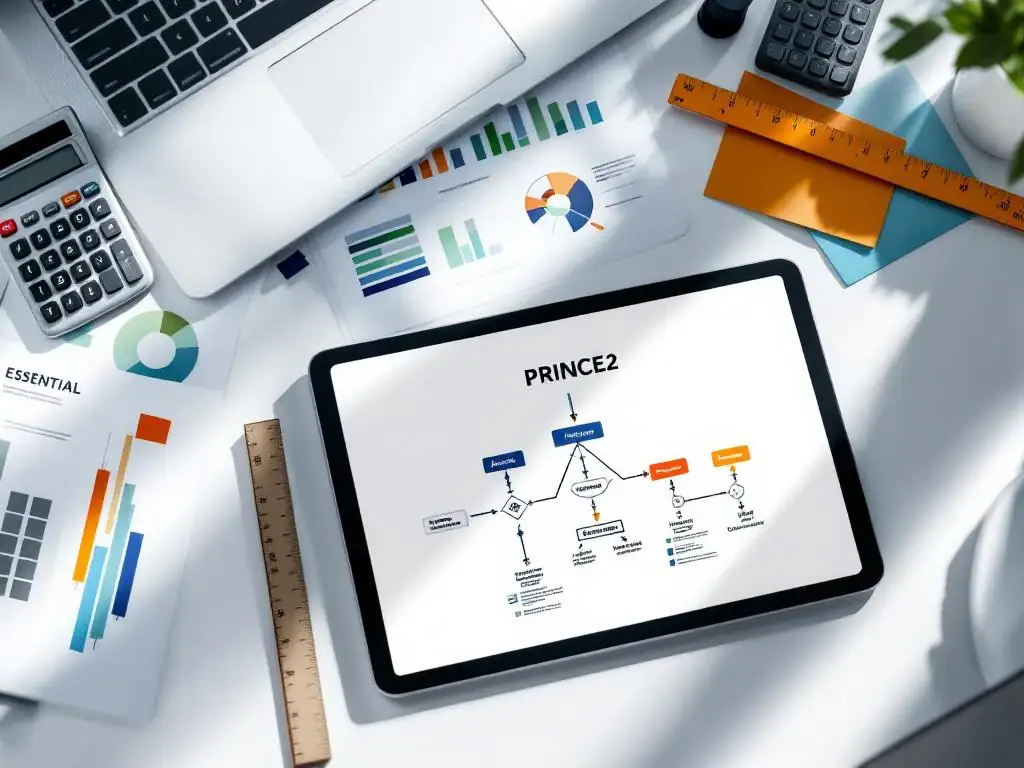
For a simple project, you can skip various PRINCE2 components without jeopardizing project success. You can simplify processes such as 'Managing Product Delivery,' limit documentation to the most important pieces, and omit some management products. The art lies in finding the right balance between methodology compliance and practical efficiency for your specific project.
Why adapt PRINCE2 for simple projects?
A full PRINCE2 implementation is often too demanding for smaller projects. You end up spending more time on documentation than on the actual work.
Simple projects have different needs than complex transformations. They have fewer stakeholders, shorter lead times, and lower risks. This means you don't need all PRINCE2 processes in their entirety.
You should support the project management methodology , not slow it down. For a small project with three team members, you do not need extensive communication plans. A daily stand-up is often sufficient.
Adapting PRINCE2 helps you to:
- Start the project faster
- Spend less time on administration
- Keeping your team focused on results
- Save costs on project management
Which PRINCE2 processes are essential and which are optional?
Of the seven PRINCE2 processes, there are three that you always need: Starting up a Project, Initiating a Project, and Closing a Project. These form the basic structure of every project.
| Process | Status for simple project | Adaptation |
|---|---|---|
| Starting up a Project | Essential | Shortened to 1-2 days |
| Initiating a Project | Essential | Basic documentation only |
| Directing a Project | Simplified | Informal decision-making |
| Controlling a Stage | Simplified | Weekly check-ins |
| Managing Product Delivery | Optional | Can be eliminated in small teams |
| Managing a Stage Boundary | Optional | Only for multi-year projects |
| Closing a Project | Essential | Short evaluation and transfer |
Managing Product Delivery can often be skipped. This process focuses on coordination between project managers and team managers. In small teams, everyone works together directly.
Managing a Stage Boundary is only relevant for projects with multiple phases. A simple project usually has only one phase.
How do you determine which PRINCE2 documents are really necessary?
Focus on documents that add real value to your project. A Project Brief, Business Case, and Project Plan are always necessary. You can adjust or omit the rest.
Important documents that you keep:
- Project Brief – provides direction for the project
- Business Case – explains why the project exists
- Project Plan – shows how you will achieve the goal
- Risk Register – keeps track of key risks
Documents you can simplify:
- Communication Management Strategy – becomes a simple contact list
- Quality Management Strategy – Becomes a Checklist
- Configuration Management Strategy – often not necessary
For a simple project, you don't need extensive reports. A weekly progress email is sufficient. Your Issue Register can be a simple list in a spreadsheet.
The rule is simple: if a document does not help with decision-making or communication, leave it out. You are better off spending your time on actual project management.
What are the risks of skipping PRINCE2 components?
Omitting PRINCE2 components can lead to unclear responsibilities and missed risks. You must carefully weigh what you can really do without.
Main risks:
- Loss of control over scope and budget
- Unclear roles and responsibilities
- Missed risks that cause problems later
- Poor communication with stakeholders
Some components may seem redundant, but they aren't. The Business Case, for example. Even with a small project, you need to know why you're doing it. Without a Business Case, you risk the project losing its relevance.
Risk management can't be completely ignored. Even simple projects have risks. At the very least, keep a simple list of what can go wrong.
Stakeholder management remains important. Smaller projects may have fewer stakeholders, but they're no less important. Make sure you know who expects what from you.
Practical tips for PRINCE2 implementation in simple projects
Start with an agile PRINCE2 approach that combines flexibility with structure. Use short iterations and keep documentation limited to what is necessary.
Concrete tips for successful implementation:
- Use templates for standard documents
- Combine multiple roles in one person
- Keep meetings short and focused
- Use digital tools for tracking
- Schedule weekly check-ins instead of formal reviews
The Project Board can consist of a single person for very small projects. This person makes all decisions and provides oversight. This significantly speeds up decision-making.
Use a simple PRINCE2 implementation as a learning experience. Team members learn the methodology without becoming overwhelmed. This prepares them for more complex projects later.
Document your choices. Record which components you omitted and why. This will help with evaluation and future projects.
The most important thing is to make PRINCE2 work for your project, not the other way around. The methodology should help you achieve better results, not slow you down. Would you like to know more about making optimal use of PRINCE2 in your specific situation? Then contact us for a personal consultation in which we look together at the best approach for your projects.