“I am a builder; I enjoy taking things from A to B. I’ve actually always managed to do that, but I lacked the structure behind it. I wanted to learn how to approach things logically, what to think about beforehand, and which soft skills are needed for it. It is nice, then, that with IPMA you get a kind of framework to fall back on. In addition, I have now obtained an internationally recognized certificate. That provides a confirmation: I can do this, this is where I stand.”
What I found interesting, for example, are the phases a team goes through: forming, storming, norming, and performing. Now, when I’m working with a new team and notice how things are going, I sometimes suddenly think: oh yes, this is where we are now. You recognize what you learned during the training. Previously, of course, I could see what was happening in a team, but now I have the theory to go with it. As a result, I understand better *what* I am seeing.”
Project management actually touches everything.
One of my biggest insights was how broad the role of a project manager actually is. You touch upon a huge number of different areas: administration, HR, procurement, sales, laws and regulations, and even ethics. In addition, you have to get people on board and build bridges. Of course, you can have your own expertise in certain areas, but project management ultimately touches on almost everything. That is precisely what makes it so fun and diverse for me.
The failure factors of projects also stuck with me. You see that certain factors are actually universal. You can create something beautiful, but if the people who ultimately have to use it don't understand what you've made or there is no support for it, you still have a problem. The same applies if management or the client doesn't back it. I thought it was interesting to discover that there are a number of things that recur in almost every project.
During the training, I learned how important it is to first clarify exactly what someone is asking for and what the goal is.
Understand first, then run
“What I mainly do differently now? Asking follow-up questions. At the start of a project, all sorts of things are often still unclear. Someone says: we want this. Previously, I would quickly think: okay, fine, I get it. Then I made my own interpretation and started doing things. I basically started running immediately.”
During the training, I learned how important it is to first clarify exactly what someone is asking for and what the goal is. Otherwise, you might create or organize something that turns out not to be intended at all. That takes time, leads to frustration, and ultimately, you might have to start over. That has really been a change for me. In my enthusiasm, I want to move forward, but now I ask more questions first.”
I am someone who learns by doing things, and that is exactly what I found in the interactive training method at Lagant.
Then the theory comes to life for me.
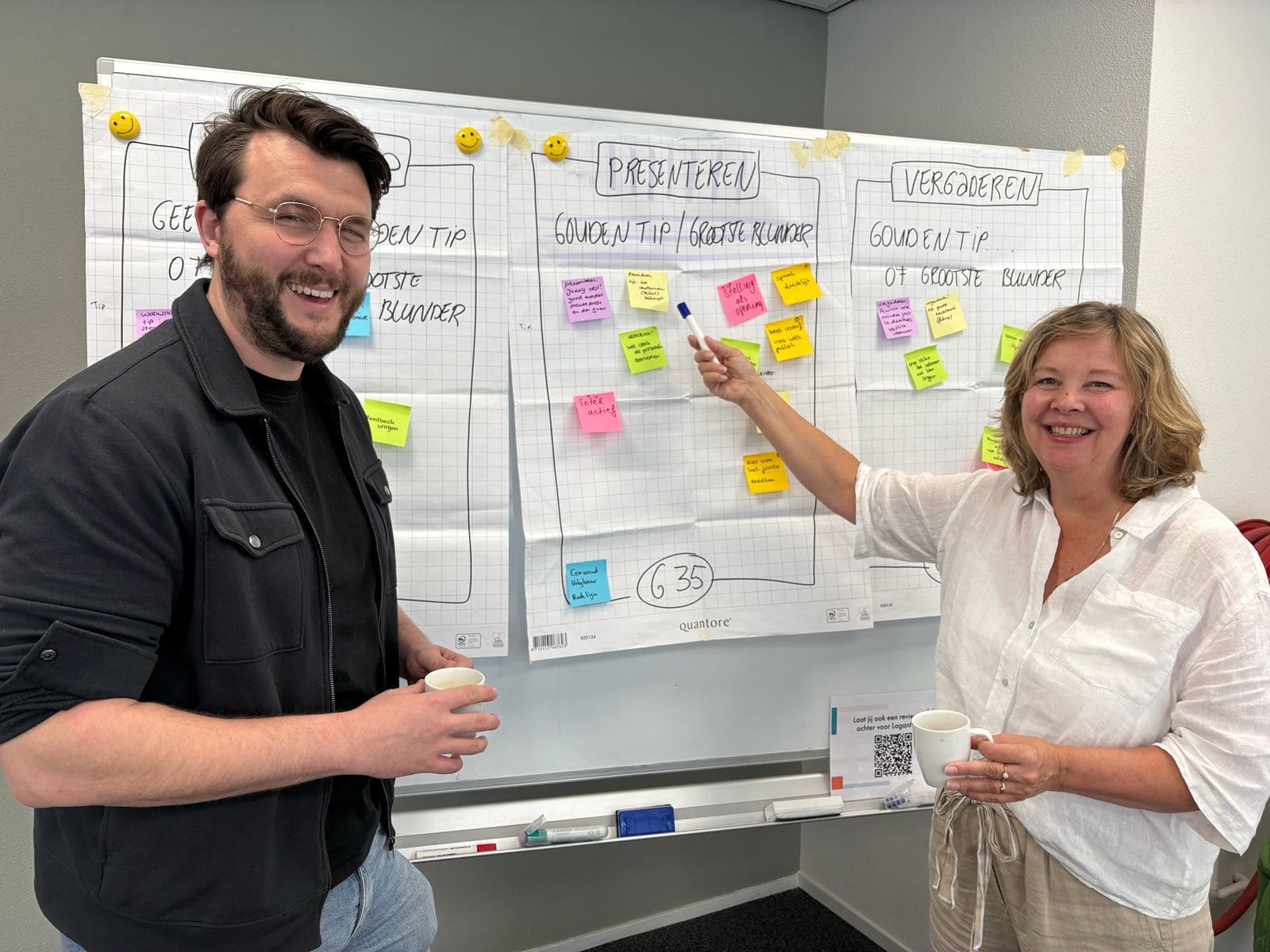
“I am someone who learns by doing, and that is exactly what I found in the interactive training method at Lagant. If you only have me learn rules and theory, it sticks much less well. During the training, for example, we worked in a fictional project group and were given assignments. As a result, I understand much better how things work.”
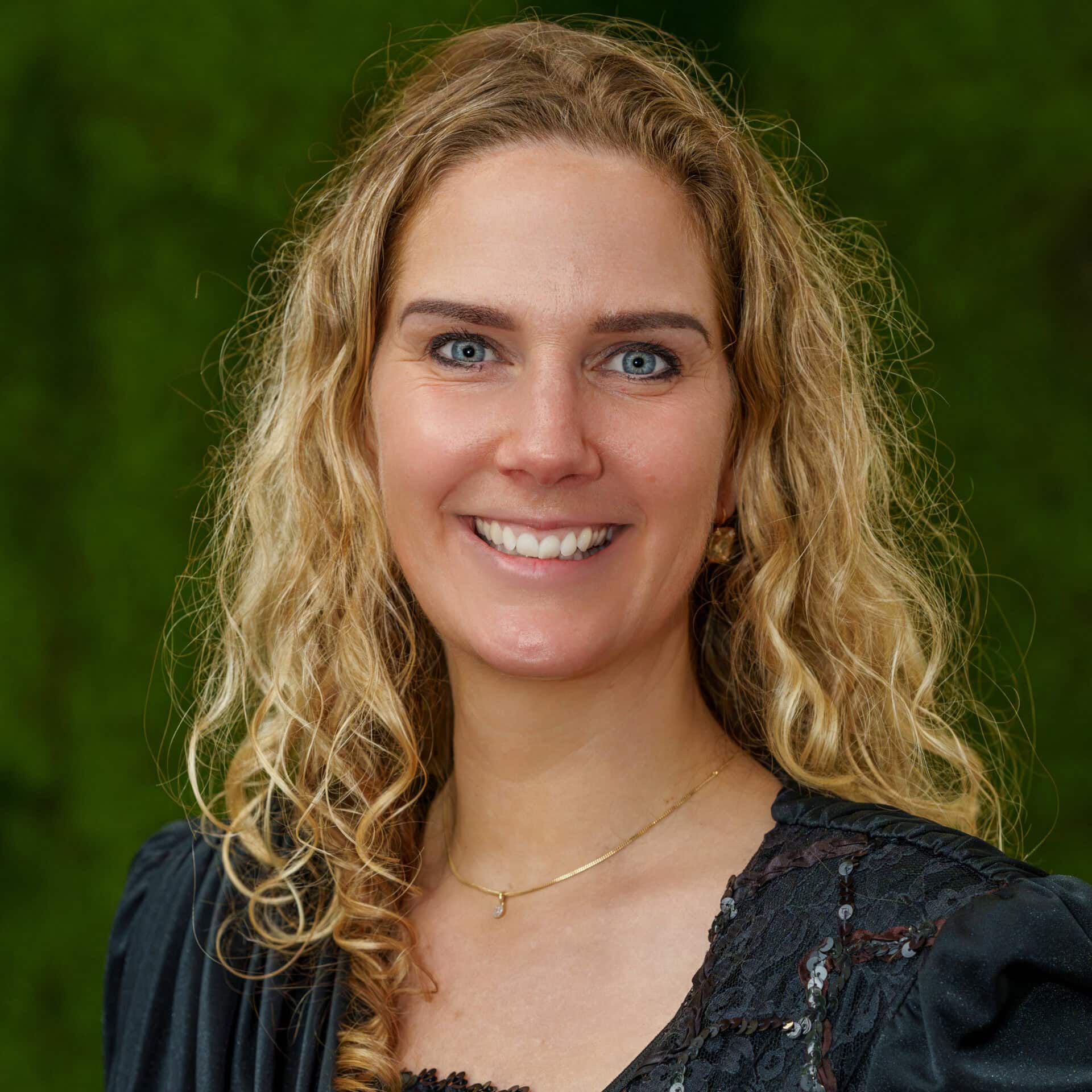
The way in which Evelien Top The way she teaches fits in very well. She brings herself into her lessons, with her own examples and experiences. I love that, because then the theory comes to life. If someone only transfers knowledge to me, I might as well go home and read it quietly. It is precisely because of those examples and exercises that it sticks with me.
By the way, I also found the online learning environment very pleasant. You have all your course material together there and can continue practicing with assignments and quiz questions. As a result, you are also working with the material in between the training days.
A great many different types of project managers
What I perhaps enjoyed the most is that during the training, you also discover things about yourself on a personal level. You don't just learn project management; you also discover what kind of project manager *you* are. What are you good at? What suits you, and where can you still develop? You also receive feedback on this from trainers and fellow participants.
I find that very valuable. You can learn all the theory from a book, but ultimately, you are the one who has to work with it. Everyone does that in their own way. During the training, you also saw how many different types of project managers there are. We may be in the same profession, but the way people approach it can differ completely.
You not only learn project management, you also discover what kind of project manager *you* are.
First, gain flying hours
For me, this certification is primarily a confirmation of the level I have currently reached. The next step is to gain experience and use the knowledge I have acquired much more frequently in practice.
I know by now that I love building. Setting up a team or project, developing something, and creating momentum: that is what energizes me. Therefore, I want to further develop myself in work where I can build more and work on projects.