

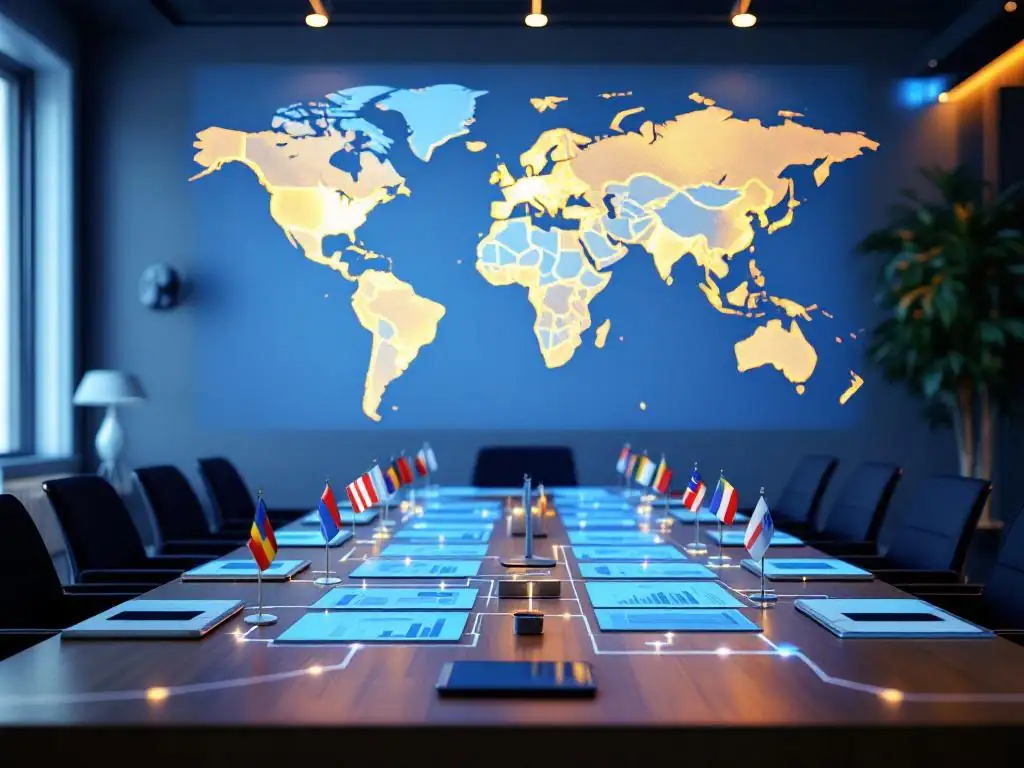
PRINCE2 works within international project teams by providing a structured methodology that bridges cultural differences. The clear roles, processes, and reporting structures ensure consistent communication and collaboration, regardless of time zones or working styles. This makes complex international projects more manageable and significantly increases the chance of success.
Why is PRINCE2 suitable for international project teams?
PRINCE2 offers a universal language for project management that teams worldwide understand. The methodology ensures a clear structure, regardless of the culture or background of team members.
The standardized roles and responsibilities make it easy to align expectations. You know exactly who's responsible for what, which prevents miscommunication. This is especially valuable when working with different time zones.
The flexible approach of PRINCE2 adapts to local working methods. You retain the core structure but can adjust details to cultural preferences. This way, you respect different working styles while maintaining control.
The management by exception principle works exceptionally well internationally. Team members only report deviations, which reduces communication burden and focuses on what truly matters.
What are the core principles of PRINCE2 in an international context?
The seven PRINCE2 principles gain extra value in international cooperation . They offer guidance when cultural differences can cause confusion.
Ongoing business justification becomes even more important when different stakeholders are located in different countries. You must regularly check whether the project is still delivering value to all parties involved.
Learning from experience works well internationally because you can benefit from diverse perspectives. Teams from different cultures bring unique insights that improve project results.
Defined roles and responsibilities prevent cultural misunderstandings about hierarchy and decision-making. This principle ensures clarity about who does what, when, and how.
Managing by phase helps you manage varying work rhythms and holiday periods. You plan phases around local circumstances while still maintaining control over progress.
How do you implement PRINCE2 communication within different cultures?
Effective communication in international PRINCE2 teams starts with customized reporting structures . You keep the standard PRINCE2 reports, but adjust the timing and detail to cultural expectations.
Set regular communication times that take time zones into account. Schedule meetings on a rotating basis so the same team members don't always have to attend outside of office hours.
Use visual dashboards and infographics to overcome language barriers. Charts and symbols are universally understandable and make complex project information accessible.
Always document decisions in writing, even after verbal agreements. This prevents misunderstandings due to different interpretations of spoken communication.
Create a project dictionary with key terms in various languages. This helps team members understand and apply PRINCE2 concepts effectively.
What challenges do you face with PRINCE2 in international project teams?
Time zone differences pose the greatest practical challenge. Decision-making is delayed when key stakeholders are not simultaneously available for consultation.
Different working styles can conflict with PRINCE2 processes. Some cultures prefer informal communication, while PRINCE2 requires structured reporting.
Language barriers affect the quality of reporting and documentation. Nuances are lost, which can lead to misinterpretations of project status.
Local regulations and compliance requirements vary from country to country. You must adapt PRINCE2 processes to different legal frameworks without losing the core methodology.
Cultural hierarchies can conflict with PRINCE2 roles. In some cultures, team members are reluctant to report directly to senior management, which complicates escalation procedures.
How do you combine PRINCE2 with agile working methods in international teams?
The combination of PRINCE2 governance with agile transformation works well internationally. PRINCE2 provides the overarching structure, while agile offers flexibility within work packages.
Use PRINCE2 for project management and agile for product development. This hybrid model provides international teams with clear frameworks and local autonomy.
Plan PRINCE2 management stages around agile releases. This way, you'll have regular checkpoints without disrupting the agile flow.
Adapt PRINCE2 reporting to agile ceremonies. Combine sprint reviews with highlight reports and retrospectives with lessons learned sessions.
Allow local teams to choose their agile approach within the PRINCE2 framework. Teams in different countries can use Scrum, Kanban, or other methods, as long as they comply with PRINCE2 governance requirements.
Key success factors for PRINCE2 international project teams
Training and certification of all team members forms the basis for success. Ensure that everyone has the same PRINCE2 knowledge , regardless of location or background.
Invest in good project management tools that support collaboration. Cloud-based platforms make PRINCE2 documentation and reporting accessible to all team members.
Appoint cultural ambassadors to help bridge differences. These individuals understand both PRINCE2 and local practices and can translate between the two.
Create a project culture that values diversity. Different perspectives enrich project results when you utilize them effectively.
Schedule regular face-to-face meetings, even virtually. Personal connections strengthen collaboration and make PRINCE2 processes smoother.
Implementing PRINCE2 in international teams requires a well-thought-out approach that takes cultural diversity into account. The methodology provides the structure, but success depends on how you adapt it to local circumstances. Would you like to learn more about the effective implementation of project management methodology in your international team? Then contact us for a personal consultation.