

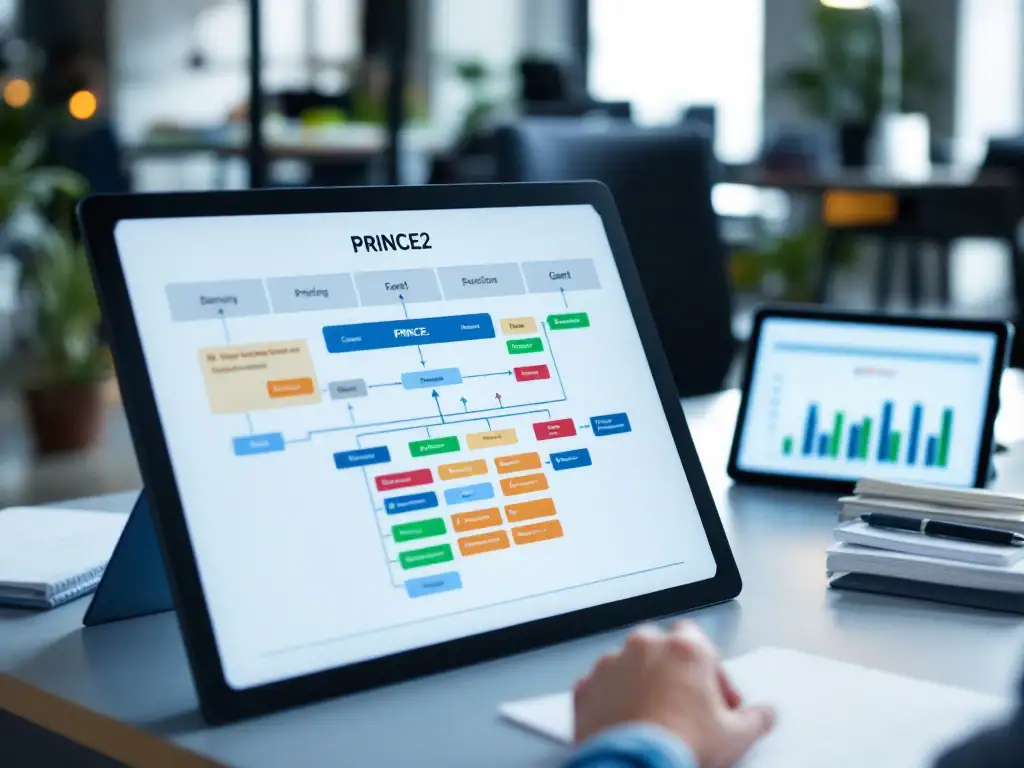
As a project manager, PRINCE2 offers you a range of practical benefits that significantly improve your daily work. This structured method helps you make better decisions, reduce risks, and improve communication with stakeholders. PRINCE2 provides a clear framework for project control, documentation, and process management, allowing your projects to run more efficiently. The best part? You can apply many elements immediately, even without fully implementing the methodology.
What are the practical benefits of PRINCE2 for project managers?
PRINCE2 offers project managers a proven structure that is immediately applicable in daily practice. Instead of reinventing the wheel, you gain access to a complete set of working methods that have proven their value in countless projects worldwide.
A big practical advantage is the clear division of roles and responsibilities. This way everyone knows exactly what is expected of them, which reduces miscommunication and ambiguity. The phased approach also helps you to divide projects into manageable pieces, which reduces complexity.
Continuous business justification is also an important plus. This ensures that projects only continue if they really add value to the organization. This prevents you from wasting time and resources on initiatives that do not contribute to the business objectives.
The flexibility of PRINCE2 is perhaps the most underrated advantage. You adapt the method based on project size, complexity and risks, so you do not create unnecessary bureaucracy but still use the advantages.
How does PRINCE2 improve your daily project decisions?
PRINCE2 improves your decision-making by providing a clear framework within which you make choices. The methodology ensures that decisions are based on current information and remain focused on the project objectives.
The principle of 'management by exception' gives you as a project manager the right degree of autonomy. You do not have to ask for approval for every small decision, but work within previously agreed tolerance limits. This significantly accelerates progress and increases your decisiveness.
The clear division of roles also makes a big difference in decision-making processes. The Project Board makes strategic decisions, while you as a project manager are responsible for the daily execution. This separation prevents confusion about who is responsible for what.
The phased approach with formal evaluation moments also helps you make better decisions. At the end of each phase you assess the progress and risks, so you can adjust in time before problems get out of hand.
Why does PRINCE2 help reduce project risks?
PRINCE2 makes risk management an integral part of your project approach. This starts at the project launch, where you identify potential risks and assess their impact and probability.
The risk register is a practical tool that helps you to systematically keep track of all risks. For each risk, you determine an owner and set up measures to reduce the risk or limit the impact. By updating this regularly, you keep a grip on changing circumstances.
The regular evaluation moments in PRINCE2 ensure that risks are not swept under the carpet. At each phase transition you assess whether previously identified risks are still relevant and whether new risks have arisen.
The principle of 'learning from experience' also contributes to better risk management. By taking experiences from previous projects, you prevent the same risks from recurring. This makes your approach increasingly effective.
How does PRINCE2 improve stakeholder communication?
PRINCE2 ensures structured communication through clear reporting lines and communication plans. The methodology defines who needs to be informed, when, about what, and how, preventing ad-hoc and unclear communication.
The clear division of roles and responsibilities ensures that stakeholders know who to contact with specific questions or concerns. As a project manager, you are not burdened with matters that should be handled by the Project Board.
Working with management stages provides natural moments to communicate with stakeholders about progress and any changes to plans. These regular updates keep stakeholders engaged and prevent surprises.
The standard reporting formats offered by PRINCE2 ensure that you present information consistently and completely. This increases stakeholder confidence in the project management approach and the reported results.
Another important element is the Business Case, which makes the business case for the project clear. This helps you convince stakeholders of the value of the project and ensures continued support.
What can you apply from PRINCE2 in your projects tomorrow?
You can start implementing practical elements of PRINCE2 immediately, even without formal certification or full methodology implementation. For example, start by drafting a clear Business Case that demonstrates the viability of your project.
Implementing a risk register is a quick win. Create a simple overview of possible risks, their impact and the measures to be taken. This gives you more control over uncertainties in your project.
You can also apply working with tolerance limits immediately. Determine with your client within which margins you can make independent decisions regarding time, money and quality. This will significantly accelerate progress.
Creating a communication plan is another practical step. Define who needs what information, when, and in what form. This prevents misunderstandings and ensures that everyone remains involved in the right way.
Would you like to further expand your PRINCE2 knowledge and apply it in your specific work environment? Then please contact us. We would be happy to help you implement the methodology in a practical way so that your projects run more successfully.