

The PRINCE2 methodology is great to work with. It provides a framework, clarity, and a solid foundation. However, there is something that PRINCE2—or any methodology for that matter—does not handle for you, and that is dealing with 'difficult' stakeholders. 'Difficult' is deliberately in quotation marks here, because that is where your role as a project manager lies.
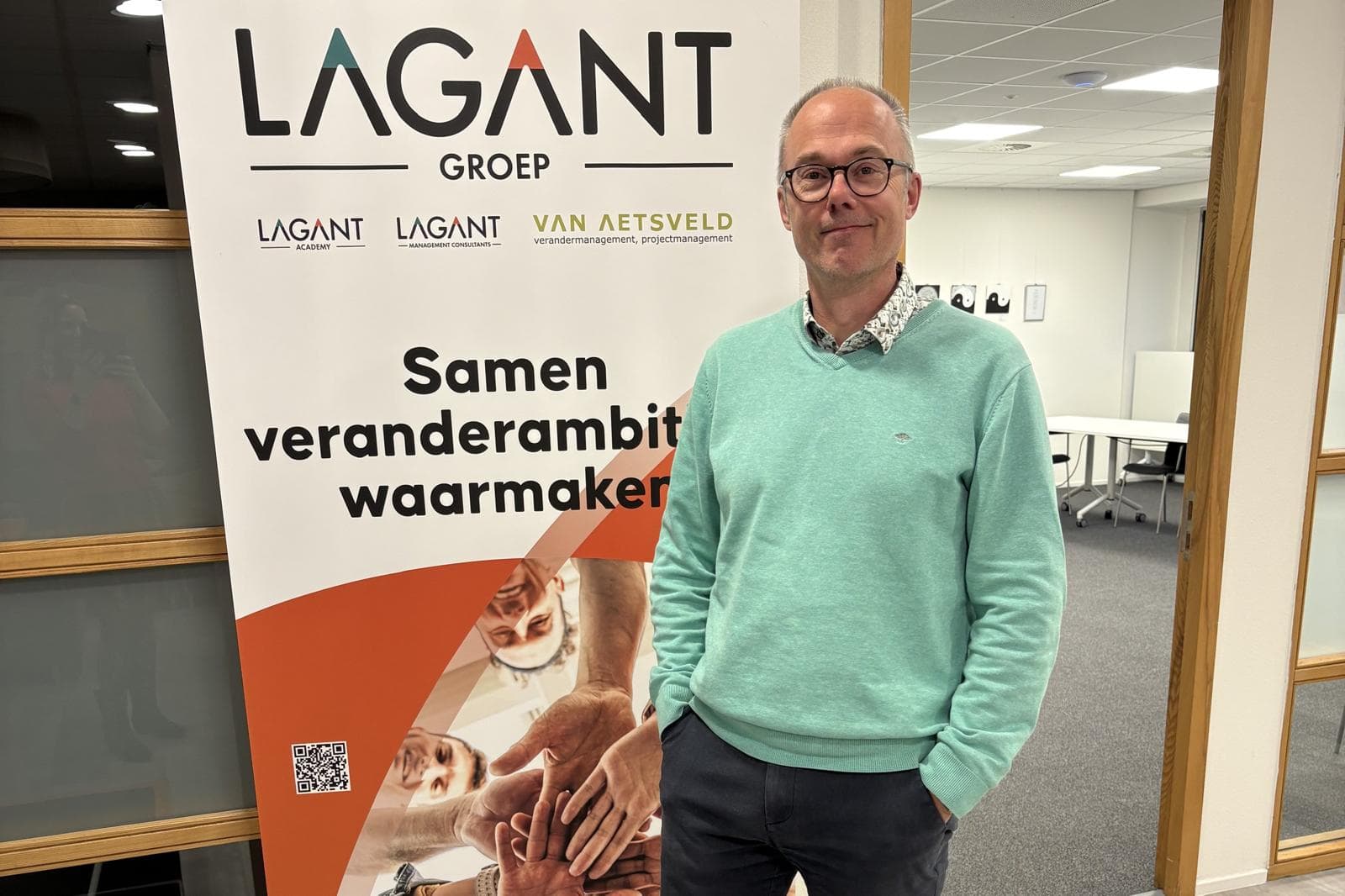
Trainer Jeroen He says about this: 'Naturally, the structured side of project management will predominate, but as a project manager, you also need to build a relationship with your stakeholders. By knowing what they want, how they think, and what motivates them, you can respond to this precisely during the project. Start doing this as early as possible, and you will eliminate a lot of delays, tension, and frustration in advance.'
Get to know the person behind your client
Of course, it is tempting to dive completely into your project right away. Talking to people and finding out their motivations? Surely that takes far too much time! You can also wait until there is a problem. Because what if it works right the first time? 'Take that time,' says Jeroen decisively, 'you build trust through a good relationship. And as soon as trust develops between the client and the project manager, you will see that you benefit greatly from it throughout the entire project.'
You do business with people. That is why it is important to start by making contact from person to person.
Okay, so trust. But what does that look like in concrete terms? Jeroen explains: 'I want to get to know the person behind my client. Who is he or she? What are their ideas, and how do they think? I simply start by having a cup of coffee. Then we talk about how things are going at home. It's no more complicated than that. You do business with people. That's why it's important to start by making contact from person to person. Once that trust is established, you work together more pleasantly. You hear what's going on faster, and as a result, you have less fixing to do along the way.'
Frustration is part of it
It is always possible that trust will be put to the test after all. Reorganizations, in particular, can stir up a lot in people. Jeroen: 'During reorganizations, I often see frustration and anger. That is part of the process; it is functional. Is it my job as a project manager to resolve that? No. Does creating space for that make the project more successful? Absolutely. Change is people work. So, you also have to deal with human emotions.'
Sometimes just listening is enough.
And sometimes giving that space is surprisingly simple: just listening. Jeroen experiences this regularly. 'Just yesterday,' he says. 'A director who might lose his job because of the change. That affects him. There is little we as project managers can do about that. But simply listening to his story often brings relief. There is no solution. And sometimes there doesn't need to be one.'
So you don't have to solve everything. Paying attention is often enough. Jeroen agrees: 'Attention is exactly what it's all about. You can ignore your stakeholders. But they won't ignore you.' A tight schedule or meticulously following every step of PRINCE2 changes nothing about that. Without paying attention to the people around you, sooner or later you will run into resistance. 'And as I just said, communication is more than just talking,' says Jeroen. 'It is also listening. Sometimes that is enough: listening to what is bothering a stakeholder.'
Do you want to learn how to tackle that yourself? In the PRINCE2 Fast Track Training At Van Lagant, Jeroen takes you through what that looks like in practice.